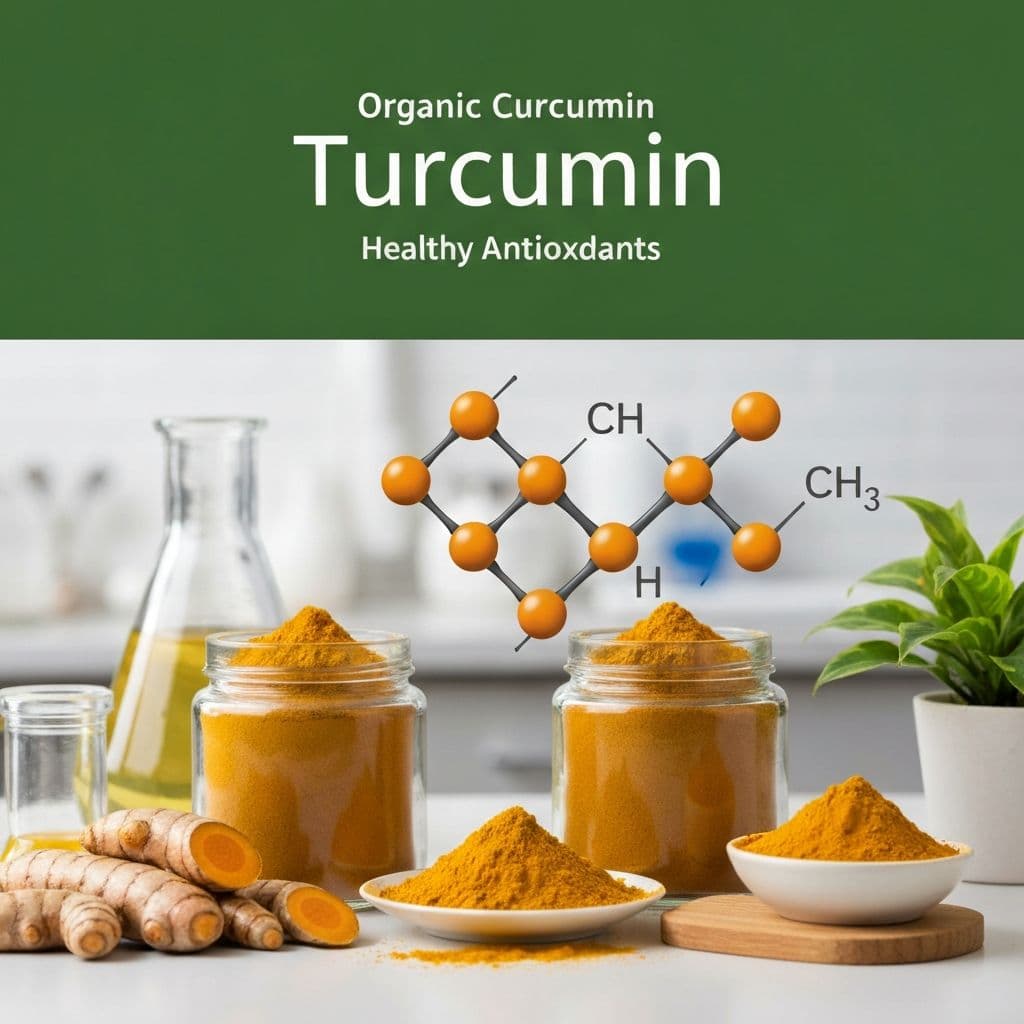
The Science of Turmeric: More Than Just a Spice
Turmeric isn't popular just because it tastes good or because our grandmothers used it. Modern science has confirmed what Ayurvedic medicine knew for thousands of years: turmeric is genuinely one of the most powerful natural anti-inflammatory compounds available.
The magic ingredient? Curcumin - a polyphenol that makes up about 3-5% of turmeric's weight. But here's the catch: not all turmeric is created equal, and not all turmeric will deliver the same health benefits.
What is Curcumin and Why Does It Matter?
Curcumin is the active compound in turmeric responsible for its characteristic golden color and most of its health benefits. When you consume turmeric, you're primarily consuming curcumin and other related curcuminoids.
How Curcumin Works
- Blocks inflammatory molecules - Curcumin inhibits NF-κB (nuclear factor-kappa B), a protein complex that controls inflammatory gene expression
- Reduces cytokine production - It decreases the production of pro-inflammatory cytokines like TNF-α and IL-6
- Antioxidant action - Curcumin neutralizes harmful free radicals that contribute to inflammation and aging
- Supports cellular health - It helps cells repair damage from oxidative stress
The Research Behind Curcumin
Over 8,000 scientific studies have been published on curcumin's effects:
- Anti-inflammatory effects: Multiple studies show curcumin reduces inflammation markers as effectively as some pharmaceutical anti-inflammatories
- Joint health: Research demonstrates curcumin can help reduce joint stiffness and improve mobility
- Cognitive function: Studies suggest curcumin may help protect brain cells and support memory
- Digestive health: Curcumin has been shown to support healthy gut flora and reduce intestinal inflammation
- Antioxidant power: Curcumin's ORAC (oxygen radical absorbance capacity) score is exceptional
Why Pure, Organic Turmeric Matters
Not all turmeric is equal. Here's why purity and organic certification make a massive difference:
Pesticide Residues in Non-Organic Turmeric
Conventional turmeric farming often relies on:
- Synthetic pesticides (DDT, endosulfan, and others)
- Chemical fertilizers that can accumulate heavy metals
- Fungicides and growth promoters
These chemicals don't just sit on the surface—they penetrate the turmeric root and concentrate in the powder. When you consume non-organic turmeric, you're ingesting these pesticides along with the curcumin.
The problem: These chemicals can actually increase inflammation in your body, completely defeating the purpose of taking turmeric for anti-inflammatory benefits.
Organic Turmeric Delivers True Benefits
Organic turmeric is grown without:
- Synthetic pesticides
- Chemical fertilizers
- GMOs
- Artificial additives
More importantly, organic farming practices naturally increase curcumin content. Studies show that stress-induced by pests and the plant's natural defense mechanisms increase polyphenol production—including curcumin.
The Bioavailability Problem: Why You Need to Know This
Here's something most people don't know: your body can only absorb about 1% of curcumin when taken alone.
Why? Curcumin is Lipophilic (Fat-Loving)
Curcumin molecules are naturally attracted to fats, but your digestive system quickly breaks them down before absorption. This is why traditional Indian cuisine pairs turmeric with:
- Black pepper (contains piperine, which increases absorption by 2000%)
- Healthy fats (ghee, coconut oil, or sesame oil)
- Ginger (enhances anti-inflammatory effects)
How to Maximize Curcumin Absorption
- Always combine with black pepper - This is non-negotiable for maximum benefit
- Use with healthy fats - Cook turmeric in ghee, coconut oil, or add to dishes with natural oils
- Heat helps - Light cooking (not boiling) actually enhances curcumin availability
- Consistency matters - Daily small amounts are more effective than occasional large doses
- Choose quality source - Pure, organic turmeric has higher curcumin content and fewer contaminants
Common Conditions Where Turmeric Shows Promise
Joint Health and Mobility
Multiple clinical trials show curcumin supplementation can reduce joint stiffness and improve comfort levels comparable to NSAIDs, without side effects.
Digestive Wellness
Curcumin stimulates bile production, supports healthy gut bacteria, and reduces intestinal inflammation. This is why turmeric is used in traditional medicine for digestive complaints.
Brain Health and Memory
Research from UCLA and other institutions shows curcumin may help maintain healthy cognitive function and support neural plasticity. It can cross the blood-brain barrier, making it one of the few spices with direct brain-protective effects.
Skin Health
The antioxidant and anti-inflammatory properties of curcumin make it beneficial for skin health from the inside. Traditional Indian beauty practices have used turmeric topically and internally for centuries.
Athletic Recovery
Athletes are increasingly using turmeric to support muscle recovery and reduce exercise-induced inflammation.
The Difference Between Turmeric Types
Fresh Turmeric Root
- Contains about 2-3% curcumin
- More bioavailable than powder in some cases
- Short shelf life
- Harder to measure consistent doses
Turmeric Powder
- Contains about 3-5% curcumin
- Long shelf life
- Easy to incorporate into meals
- More convenient for daily use
Turmeric Extract/Supplements
- Can contain up to 95% curcumin
- Highly bioavailable
- May include absorption enhancers
- Sometimes includes fillers
Our Recommendation: For daily cooking and maximum benefits, use pure organic turmeric powder combined with black pepper and healthy fats.
How to Choose Pure Turmeric Powder
What to Look For:
- Organic certification - Ensures no pesticide residues
- Color - Bright, vibrant golden yellow (indicates fresh, high-quality powder)
- Aroma - Strong, earthy turmeric smell (synthetic or old powder will smell weak)
- Source transparency - Know where your turmeric comes from
- Testing verification - The supplier should test for purity and heavy metals
Red Flags:
- Turmeric that's too bright (artificial coloring)
- No organic certification
- No information about origin
- Suspiciously cheap prices
- Old, weak-smelling powder
Practical Daily Usage Guide
For Anti-Inflammatory Support
- Daily dose: 1/2 to 1 teaspoon of turmeric powder
- Best timing: With meals containing fat
- Pairing: Always with black pepper
- Duration: Consistent daily use for best results
For Specific Conditions
Joint support:
- 1 teaspoon turmeric powder mixed with 1/4 teaspoon black pepper
- Mix with warm ghee or coconut milk
- Take daily with breakfast
Digestive support:
- Add 1/2 teaspoon to rice, dal, or vegetable dishes
- Cook at lower temperatures to preserve benefits
- Include in daily meals naturally
General wellness:
- Add to any cooked dish (rice, curries, scrambled eggs)
- Make golden milk before bed
- Include in smoothies with healthy fats
The Bottom Line
Turmeric's anti-inflammatory power is scientifically proven and profound. But to experience these benefits, you need:
- Pure turmeric - Free from pesticides and contaminants
- Organic turmeric - Higher curcumin content, no chemicals
- Proper combinations - Always pair with black pepper and fats
- Consistency - Daily use, not occasional
At Pushti Organic, our turmeric powder is sourced directly from Rajasthan's finest farms, where traditional farming practices enhance natural curcumin content. Every batch is tested for purity and potency to ensure you're getting authentic, powerful turmeric that will truly support your health.
Don't settle for inferior turmeric. Your anti-inflammatory journey deserves pure, organic quality.