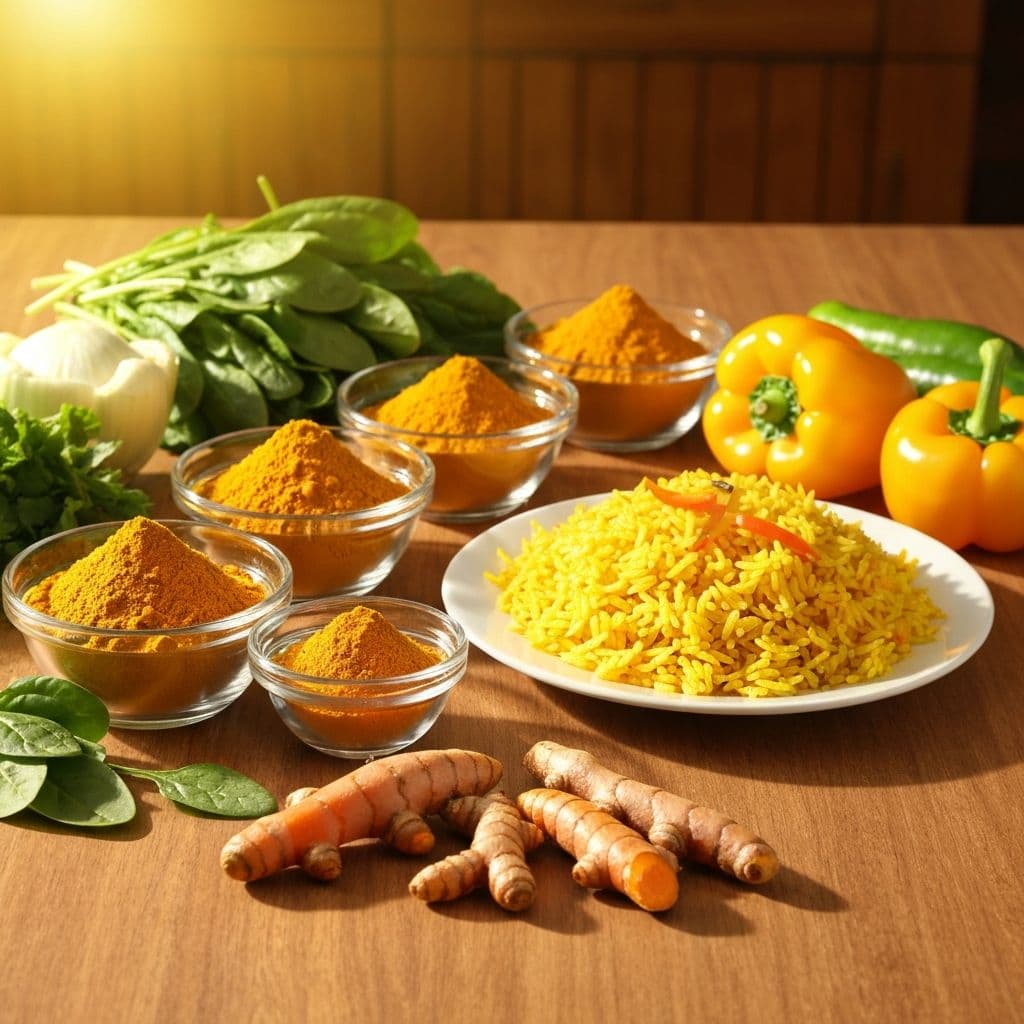
Organic vs Regular Spices: Why Your Kitchen Needs the Switch
Every day, you add spices to your meals. But what you don't know could be affecting your health. Conventional spices often contain pesticide residues, heavy metals, and additives. Organic spices offer a pure, healthier alternative. This guide reveals the differences and why switching matters.
The Hidden Problem with Regular Spices
Pesticide Contamination
Commercial spice farming relies heavily on chemical pesticides:
Commonly Used Pesticides in Spice Farming:
- Chlorpyrifos (neurotoxin, banned in many countries)
- Carbofuran (highly toxic insecticide)
- Lindane (persistent organic pollutant)
- Endosulfan (reproductive toxin)
- Methamidophos (acetylcholinesterase inhibitor)
Government Testing Reveals the Problem
Food Safety Authority Studies:
- 60% of conventional spice samples contain pesticide residues
- 25% exceed safe residue limits
- Heavy metals found in 40% of samples
- Aflatoxins (carcinogenic) detected in 30% of samples
Real Health Impact
Chronic pesticide exposure (even in small amounts) is linked to:
- Neurological damage
- Hormonal disruption
- Increased cancer risk
- Immune system suppression
- Developmental issues in children
- Reproductive problems
What Makes Spices High-Risk
Why Spices Are Different
Unlike fresh produce, spices are:
- Concentrated: One teaspoon contains the extract of many plants
- Long-term storage: Residues accumulate over time
- Minimally processed: Raw from farm to table (no washing/peeling)
- High usage volume: Used regularly in cooking
Result: You get a concentrated dose of pesticides with every teaspoon.
Supply Chain Problems
Most commercial spices are:
- Grown in countries with lax pesticide regulations
- Treated with additional pesticides during storage
- Bleached and processed with chemicals
- Not tested for contamination
- Mixed with inferior or adulterated materials
Organic Spices: What Makes Them Different
Certified Organic Standards
True organic spices must meet strict criteria:
During Farming:
- Zero synthetic pesticides allowed
- No chemical fertilizers
- No GMOs
- Crop rotation mandatory
- Soil health maintained
During Processing:
- No bleaching agents
- No chemical additives
- No irradiation
- Minimal processing
- Clean storage facilities
Certification Requirements:
- Annual inspections
- Soil testing for residues
- Regular lab testing of final products
- Third-party verification
- Full traceability
Health Benefits of Switching to Organic Spices
1. Zero Pesticide Residues
Regular spice risk: Up to 15 different pesticides in one sample
Organic spice reality: Pesticide residues below detection limits
Health benefit: Eliminates neurotoxin exposure from daily cooking.
2. Higher Nutrient Content
Organic farming produces more nutrient-dense spices:
- 30% higher antioxidant levels
- More polyphenols
- Better vitamin retention
- Superior mineral content
Why? Soil microbes (thriving in organic farms) help plants absorb more nutrients.
3. Better Flavor
Organic spices taste noticeably different:
- More complex, deeper flavor
- Stronger aroma
- Better color retention
- No chemical aftertaste
Result: You use less spice for the same impact (cost-effective).
4. Safer for Vulnerable Groups
Extra protection for:
- Pregnant women (pesticides cross placental barrier)
- Infants and children (developing nervous systems)
- Elderly people (weakened detoxification)
- People with health conditions (compromised immunity)
5. Supports Digestive Health
Chemical residues damage gut bacteria. Organic spices:
- Support healthy gut microbiome
- Improve digestion
- Reduce inflammation
- Enhance nutrient absorption
Specific Spices: Organic vs Regular Comparison
Turmeric
Regular Turmeric Issues:
- Often bleached to uniform color
- Pesticide residues: 8-12 different compounds
- Lower curcumin (0.5-1.5%)
- May contain lead
Organic Turmeric Benefits:
- Natural golden color
- Zero pesticides
- Higher curcumin (3-5%)
- Tested for heavy metals
- Better health results
Red Chilli Powder
Regular Chilli Issues:
- Heavily sprayed with fungicides
- Often mixed with fillers
- Artificial color added
- High pesticide load
Organic Chilli Benefits:
- Pure powder only
- No fillers
- Natural red color
- Clean certification
Cumin, Coriander, and Others
Conventional spices: Often treated with phosphine gas for storage preservation
Organic alternatives: Natural storage methods, no chemical fumigation
Understanding Organic Certification
FSSAI Certification (India)
India's Food Safety Authority certifies organic spices:
- Verifies farming practices
- Tests for residues
- Ensures proper labeling
- Provides consumer protection
Look for FSSAI logo on packaging.
International Certifications
- USDA Organic (USA standards)
- Ecocert (European standards)
- Demeter (Biodynamic farming)
- IFOAM (International standards)
Cost Comparison: Is It Worth It?
Price Analysis
| Spice | Regular | Organic | Difference |
|-------|---------|---------|-----------|
| Turmeric | ₹40-60/100g | ₹100-150/100g | 100-150% |
| Red Chilli | ₹50-80/100g | ₹120-180/100g | 100-140% |
| Cumin | ₹60-100/100g | ₹150-220/100g | 100-120% |
Value Calculation
Regular Spice (High Usage):
- Pesticide dose: 2-5 micrograms per teaspoon
- Daily consumption: 1-2 teaspoons
- Annual pesticide dose: 730-3650 micrograms
- Health costs: Future medical treatment
Organic Spice (Efficient Usage):
- Pesticide dose: 0
- Daily consumption: 0.5-1 teaspoon (stronger = use less)
- Annual pesticide dose: 0
- Health savings: Prevention is cheaper
Cost-Benefit: Small premium prevents long-term health problems worth much more.
Making the Switch: Practical Tips
Start Gradually
- Begin with most-used spices (turmeric, chilli)
- Gradually replace others
- Once you taste the difference, switching becomes easy
- Budget for small increases
Storage Tips for Organic Spices
- Store in airtight containers
- Keep away from sunlight
- Store in cool, dry place
- Use within 6-8 months
- Buy in smaller quantities for freshness
Quality Indicators
Look for:
- Certified packaging (FSSAI logo)
- Natural color variation (not uniform)
- Strong aroma
- Fresh packaging date
- Complete transparency on sourcing
Conclusion
The choice between organic and regular spices is a choice between health and risk. While organic spices cost more upfront, they eliminate pesticide exposure, deliver superior nutrition, and support better health outcomes.
For the price of a monthly coffee subscription, you can protect your family's health with organic spices. Your body deserves pure ingredients—switch to organic today.